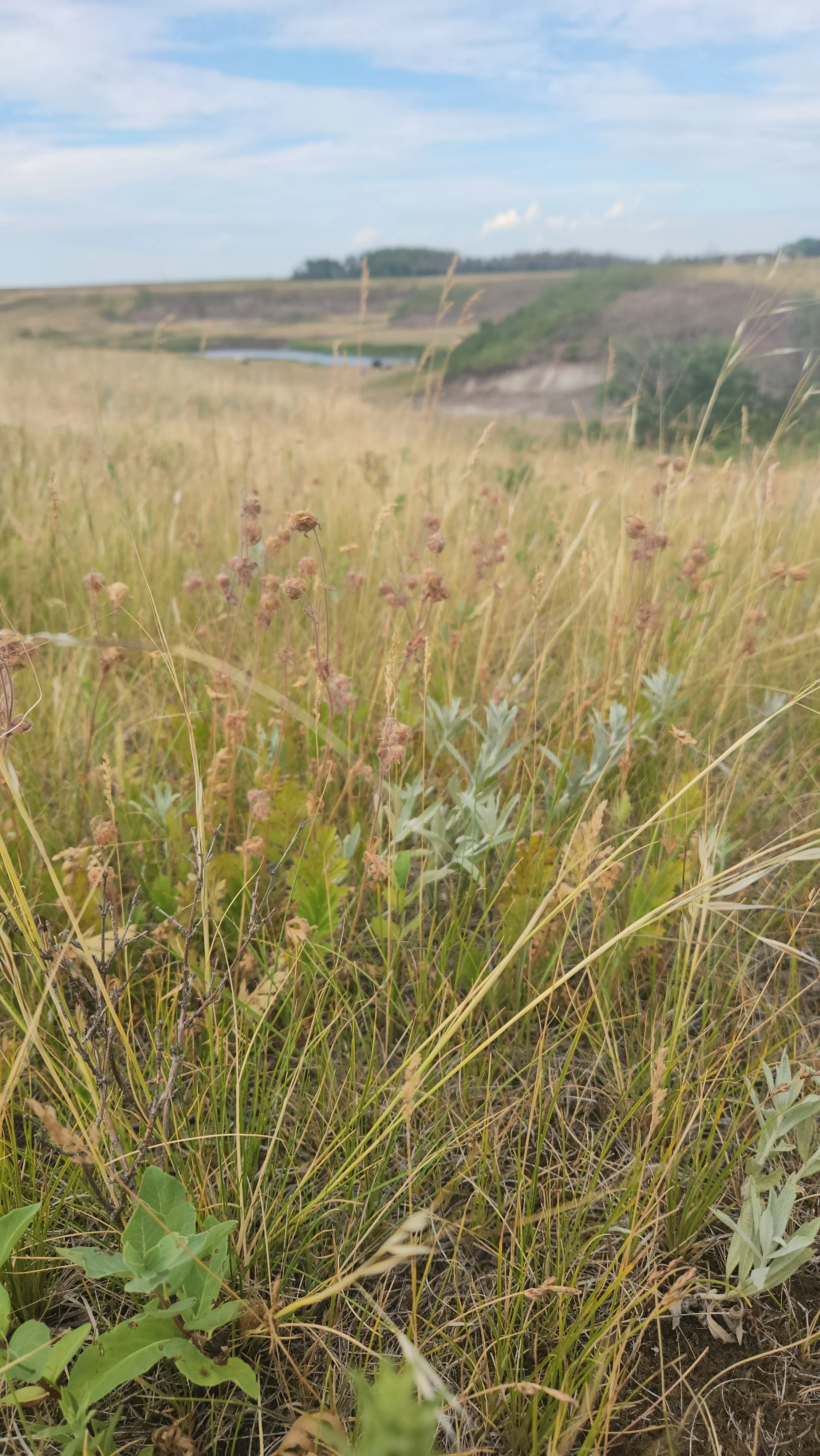
Land Stewards:
Protecting Alberta’s Biodiversity
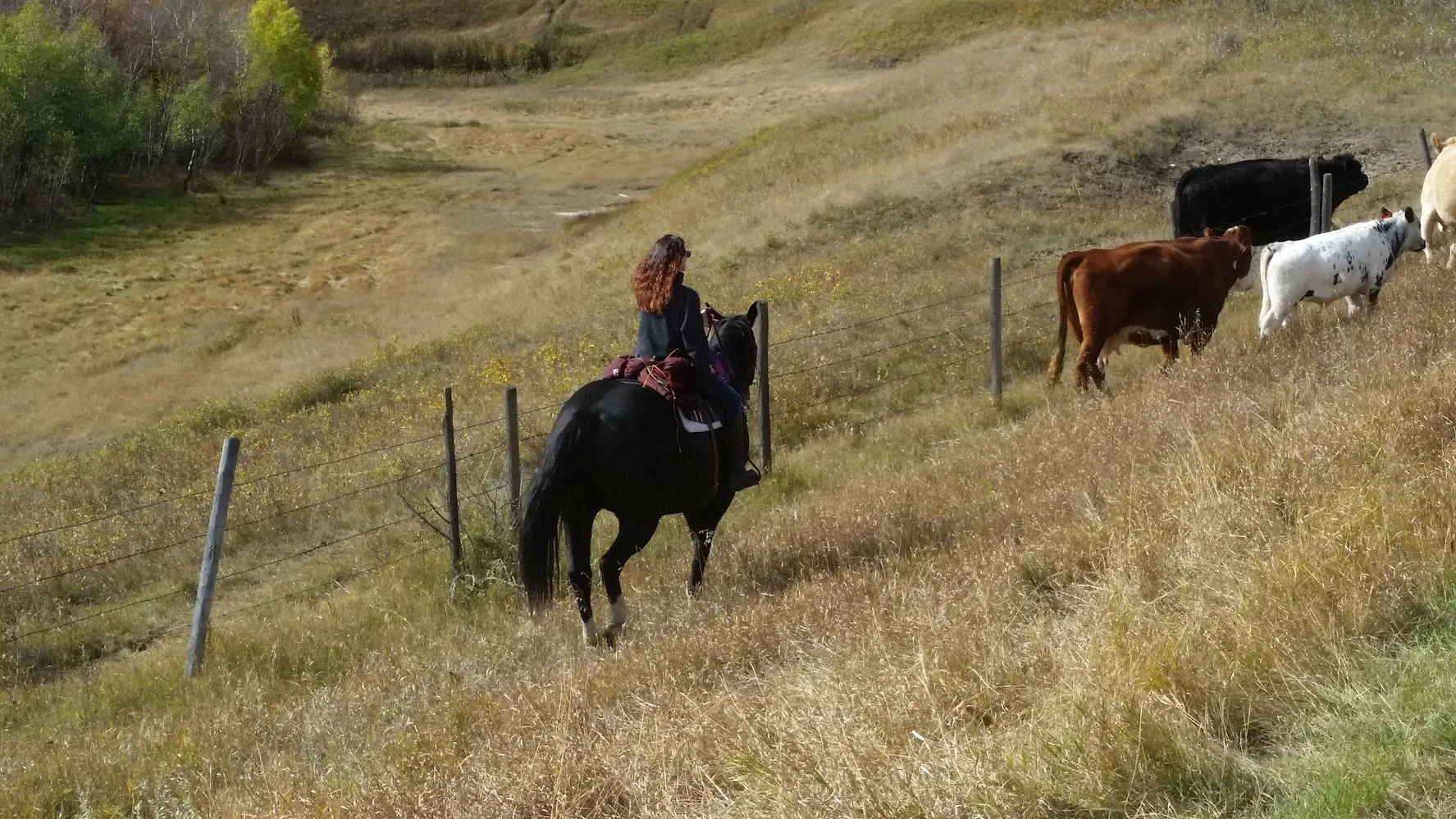
“Canadian Beef helps preserve one of the world’s most endangered ecosystems - our grasslands.” (CRSB, 2026)
Alberta’s beef producers have long been the stewards of biodiversity through maintenance of natural landscapes.
Alberta Beef Producers (ABP) have been highly engaged with promoting the environmental stewardship that cattle producers provide through grassland management and carbon storage, as well as providing support for long-term sustainability of cattle ranching. Striving for environmental stewardship and grass-roots climate action is essential to maintaining consumer confidence in Alberta beef, a sector that contributes billions to our economy.
The vision of Canadian Round Table for Sustainable Beef (CRSB) is “that the Canadian beef value chain is a global leader in environmental, social and economic sustainability and part of a trusted and thriving food system.” This includes the principle of protecting natural resources and maintaining the long-term economic viability of beef production, which requires the retaining of agricultural land for future generations.
“Water is the foundation of both forage production and animal health. Reliable access to water is essential, not only for the beef sector’s economic contribution, but also for the environmental stewardship producers provide through grassland management and carbon storage.” “Maintaining the forage base that supports the beef industry is a growing challenge. Between drought, land conversion, and wildlife pressures, the amount of productive pastureland in Alberta continues to shrink. ABP has continue to advocate for policies that protect agricultural use of Crown grazing leases and support forage retention on private lands.” Alberta Beef Producers Annual Report, 2026.
The destruction of endangered habitat that is also productive grazing land would be, in the opinion of the Battle River Badlands Society, an act not in the public interest, particularly considered in the face of major inroads made by organizations like ABP and CRSB to position Canadian cattle producers at the forefront of climate action, carbon capture and environmental stewardship. This could undermine the key values of these organizations and thousands of producers within Alberta’s $8.8 Billion cattle sector (Statistics Canada, 2026) that are striving for best management practices in a market where consumers are shouting for visible sustainability and consumer confidence is critical to sustainability.
Responsible land use is critical for long-term economic viability.
Adjacent Impact:
Living with a Geohazard
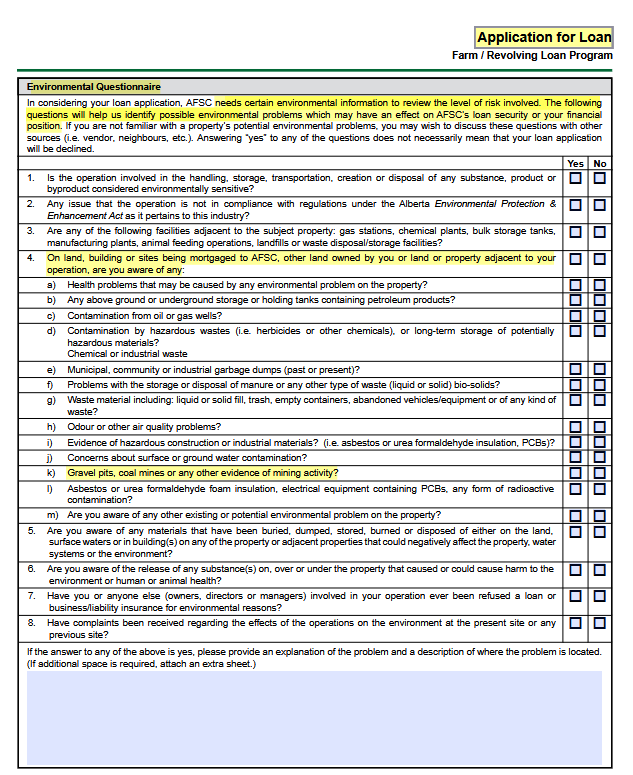
Environmental risk questions are a part of any land loan application because they can carry serious implications for liability, productivity and land value. These are not contained to just the land in question: owned land AND adjacent land is looked at.
If adjacent actions can negatively impact an existing operation’s attractiveness for lending, that is a concern that must be considered. Many local landowners have expressed this concern.
The potential harmful economic impact of this adverse publicity on Alberta’s agriculture sector necessitates in-depth consideration before the approval of a strip mine that could destroy habitat on the last 5% of remaining aspen parkland habitat in Alberta. It is the view of the Battle River Badlands Society that protecting this area for agriculture and for its ecological value serves the public interest.
Natural landscapes that are used for cattle grazing also provide extensive ecological value every year. Responsible grazing can increase biodiversity and is an essential management strategy in native grasslands.